

| Business Type | Manufacturer, Exporter, Supplier |
| Application | Heating Fuel |
| Country of Origin | India |
| Packaging Type | Plastic Bag |
| Click to view more | |
Product Details
Density
600-750 Kg/m³
Moisture Content
Less Than 10%
Ash Content
Less Than 2%
Calorific Value
16-19 MJ/kg
Compatibility
Suitable For Biomass Boilers
Ash Melting Temperature
Above 1200°C
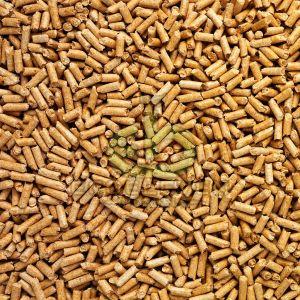
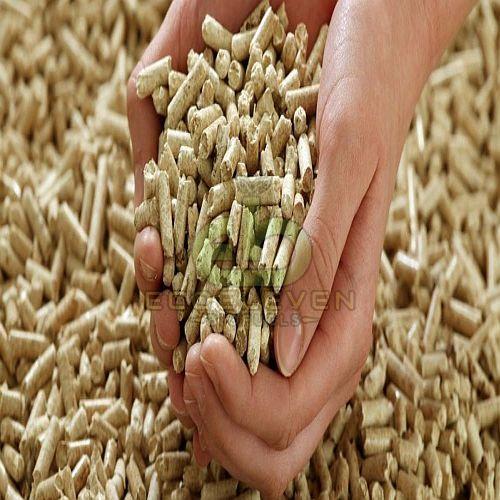
Production Biomass pellets are typically produced from a variety of organic materials, including wood, agricultural residues, energy crops, and even some types of waste. The production process involves several key steps.
- Feedstock Collection: The first step involves the collection of suitable feedstocks, which can include rice straw , rice husk, sugarcane bagasse, sugarcane leaf & stick, Napier bullet grass and other organic materials.
- Drying: To reduce the moisture content and improve combustion efficiency, the collected feedstock is dried to a specific moisture level.
- Size Reduction: The dried feedstock is then processed through chippers or grinders to achieve a uniform particle size.
- Palletisations: The processed material is compressed under high pressure through a pellet mill, resulting in the formation of cylindrical pellets. No binders or chemicals are usually added during this process, as the natural lignin content in the biomass acts as a binding agent.
- Cooling and Packaging: The newly formed pellets are cooled and then packaged for distribution and use.
-
- Feedstock Collection: The first step involves the collection of suitable feedstocks, which can include rice straw , rice husk, sugarcane bagasse, sugarcane leaf & stick, Napier bullet grass and other organic materials.
- Space Heating: Pellet stoves and pellet boilers are popular choices for residential and commercial space heating due to their efficiency and low emissions.
- Industrial Processes: Some industries use biomass pellets as a source of heat for drying processes or as a supplementary fuel in manufacturing.
- Combined Heat and Power (CHP): In combined heat and power systems, biomass pellets are utilized to generate both electricity and useful heat simultaneously.
- Animal Bedding: In the agricultural sector, biomass pellets are used as bedding material for livestock, providing a comfortable and absorbent surface.
- Production Biomass pellets are typically produced from a variety of organic materials, including wood, agricultural residues, energy crops, and even some types of waste. The production process involves several key steps.
- Renewable Energy Source: They are derived from renewable resources, making them a sustainable alternative to fossil fuels.
- Reduced Greenhouse Gas Emissions: Biomass pellets produce lower greenhouse gas emissions compared to fossil fuels, contributing to climate change mitigation.
- Waste Utilization: They can be made from agricultural residues and forestry byproducts, reducing waste and promoting resource efficiency.
- Energy Efficiency: Biomass pellet combustion is highly efficient, resulting in reduced energy consumption and cost savings.
- Energy Security: Using locally sourced biomass can enhance energy security by reducing dependence on imported fossil fuels.
- Environmental Impact While biomass pellets have several environmental benefits, their production and use can also raise environmental concerns. These include:
- Land Use Change: Large-scale biomass production may lead to land use changes that can impact ecosystems and biodiversity.
- Air Quality: Improper combustion or low-quality pellets can emit particulate matter and other pollutants, affecting air quality
- Sustainable Sourcing: Sustainable forestry and agriculture practices are crucial to ensuring that biomass production remains environmentally friendly.
- Transportation Emissions: The transport of biomass feedstock over long distances can result in carbon emissions.
Looking for "16mm Biomass Pallets" ?
Ton